... While GLP-1 drugs are generally considered safe to take alongside most food allergy medications, everyone’s health situation is unique. ...
... This can cause your body to react as if you were exposed to the pollen allergen. It’s also called cross-reactivity.OAS is more common among adults than it is in children. ...
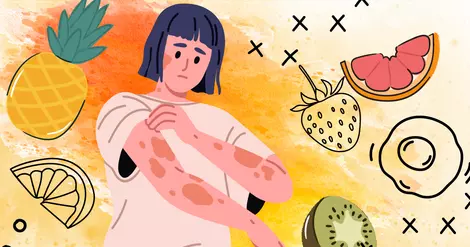
... If you have an allergy to nickel or latex, for example, you might develop allergic contact dermatitis if your skin comes in contact with that allergen. (CC BY-NC-ND 4.0/DermNet) Several medications also list skin rashes as a possible side effect. Antibiotics, diuretics (water pills), or other drugs may also produce discolored skin spots or bumps. ...
What Does a Food Allergy Rash Look Like? Pictures and Treatments
... If you have an allergy to nickel or latex, for example, you might develop allergic contact dermatitis if your skin comes in contact with that allergen. (CC BY-NC-ND 4.0/DermNet) Several medications also list skin rashes as a possible side effect. Antibiotics, diuretics (water pills), or other drugs may also produce discolored skin spots or bumps. ...
... “I usually feel symptoms for seven to 10 days, depending on which allergen I ate.” — A MyFoodAllergyTeam member Join the ConversationOn MyFoodAllergyTeam, people share their experiences with food allergies, get advice, and find support from others who understand.What kind of food allergy reactions have you experienced? ...
How Long Do Symptoms of a Food Allergy Reaction Last?
... “I usually feel symptoms for seven to 10 days, depending on which allergen I ate.” — A MyFoodAllergyTeam member Join the ConversationOn MyFoodAllergyTeam, people share their experiences with food allergies, get advice, and find support from others who understand.What kind of food allergy reactions have you experienced? ...
... Clinical trials are studies with volunteer participants to test new drugs before they’re available to the public.Talk With Your DoctorIf you have food allergies, avoiding triggers is the best way to prevent reactions. ...
6 Medication Options for Food Allergies
... Clinical trials are studies with volunteer participants to test new drugs before they’re available to the public.Talk With Your DoctorIf you have food allergies, avoiding triggers is the best way to prevent reactions. ...
... Allergic Reactions — Journal of Clinical Immunology Food Allergy — American College of Allergy, Asthma & Immunology Anaphylaxis — Mayo Clinic Epinephrine for First-Aid Management of Anaphylaxis — Pediatrics Recognizing and Treating Reaction Symptoms — Food Allergy Research & Education Should I Give My Child Benadryl Immediately After Eating a Food Allergen ...
When To Use an EpiPen vs. Benadryl for Food Allergies
... Allergic Reactions — Journal of Clinical Immunology Food Allergy — American College of Allergy, Asthma & Immunology Anaphylaxis — Mayo Clinic Epinephrine for First-Aid Management of Anaphylaxis — Pediatrics Recognizing and Treating Reaction Symptoms — Food Allergy Research & Education Should I Give My Child Benadryl Immediately After Eating a Food Allergen ...
... Common examples of finned fish include salmon, cod, tuna, tilapia, haddock, and flounder. Shellfish include shrimp, lobster, clams, oysters, mussels, and crab.Symptoms of a Fish AllergySome people who live with a fish allergy are diagnosed when they’re children, while others develop it as adults. ...
Fish Allergy: How Long Symptoms Last and More
... Common examples of finned fish include salmon, cod, tuna, tilapia, haddock, and flounder. Shellfish include shrimp, lobster, clams, oysters, mussels, and crab.Symptoms of a Fish AllergySome people who live with a fish allergy are diagnosed when they’re children, while others develop it as adults. ...
... In a double-blind food challenge, neither you nor the allergist know whether you’re receiving the allergen or a placebo. ...
... Although not a cure, this can increase the amount of the food allergen a person is able to eat before experiencing symptoms. Research suggests that epicutaneous immunotherapies, in which patches with a small amount of food allergen are worn on the skin, could be effective for treating individuals with food allergies. ...
Food Allergies and Eczema: 3 Similarities and 3 Differences
... Although not a cure, this can increase the amount of the food allergen a person is able to eat before experiencing symptoms. Research suggests that epicutaneous immunotherapies, in which patches with a small amount of food allergen are worn on the skin, could be effective for treating individuals with food allergies. ...
... This at-home test typically requires you to gradually, one by one, remove and add back a suspected allergen food from your diet.Typically, you remove a suspected food from your diet for approximately two weeks. After a couple of weeks, you add the food back. ...
Can You Have a Coffee Allergy? Symptoms, Testing, and More
... This at-home test typically requires you to gradually, one by one, remove and add back a suspected allergen food from your diet.Typically, you remove a suspected food from your diet for approximately two weeks. After a couple of weeks, you add the food back. ...








 Join
Join