... Reactions to Ingredients in GLP-1 DrugsWhile food allergies are your primary concern, it’s also possible to have an allergic reaction to one of the ingredients in a GLP-1 drug. ...
... Carry Your Epinephrine InjectorIf you could have an anaphylactic reaction to your allergen, always carry your epinephrine auto-injector and a written food allergy and anaphylaxis emergency-care plan. ...
12 Tips for Eating Out Safely With Food Allergies
... Carry Your Epinephrine InjectorIf you could have an anaphylactic reaction to your allergen, always carry your epinephrine auto-injector and a written food allergy and anaphylaxis emergency-care plan. ...
... By binding to and neutralizing IgE, biologic drugs may help prevent the processes that lead to severe allergic reactions and life-threatening anaphylaxis.In February 2024, the U.S. Food and Drug Administration (FDA) approved omalizumab (Xolair) to reduce the risk of severe allergic reactions after exposure to a food allergen. ...
How Long Do Symptoms of a Food Allergy Reaction Last?
... By binding to and neutralizing IgE, biologic drugs may help prevent the processes that lead to severe allergic reactions and life-threatening anaphylaxis.In February 2024, the U.S. Food and Drug Administration (FDA) approved omalizumab (Xolair) to reduce the risk of severe allergic reactions after exposure to a food allergen. ...
... Clinical trials are studies with volunteer participants to test new drugs before they’re available to the public.Talk With Your DoctorIf you have food allergies, avoiding triggers is the best way to prevent reactions. ...
6 Medication Options for Food Allergies
... Clinical trials are studies with volunteer participants to test new drugs before they’re available to the public.Talk With Your DoctorIf you have food allergies, avoiding triggers is the best way to prevent reactions. ...
... of Allergy, Asthma & Immunology Anaphylaxis — Mayo Clinic Epinephrine for First-Aid Management of Anaphylaxis — Pediatrics Recognizing and Treating Reaction Symptoms — Food Allergy Research & Education Should I Give My Child Benadryl Immediately After Eating a Food Allergen? ...
When To Use an EpiPen vs. Benadryl for Food Allergies
... of Allergy, Asthma & Immunology Anaphylaxis — Mayo Clinic Epinephrine for First-Aid Management of Anaphylaxis — Pediatrics Recognizing and Treating Reaction Symptoms — Food Allergy Research & Education Should I Give My Child Benadryl Immediately After Eating a Food Allergen? ...
... Food Labels Now Must List Sesame as an Allergen — U.S. ...
... Exposure Hypothesis — Clinical and Experimental Pediatrics Early Introduction of Allergenic Foods and the Prevention of Food Allergy — Nutrients Providing Lasting Protection From Peanut Allergy — National Institutes of Health The Role of the Microbiome in Food Allergy: A Review — Children FDA Approves First Medication To Help Reduce Allergic Reactions ...
Are Food Allergies Genetic? 5 Facts To Know
... Exposure Hypothesis — Clinical and Experimental Pediatrics Early Introduction of Allergenic Foods and the Prevention of Food Allergy — Nutrients Providing Lasting Protection From Peanut Allergy — National Institutes of Health The Role of the Microbiome in Food Allergy: A Review — Children FDA Approves First Medication To Help Reduce Allergic Reactions ...
... These treatments are still under investigation.Emergency medications treat allergic reactions to a food allergy. They are not used to cure the allergy. ...
... In a double-blind food challenge, neither you nor the allergist know whether you’re receiving the allergen or a placebo. ...
... If you have an allergy to nickel or latex, for example, you might develop allergic contact dermatitis if your skin comes in contact with that allergen. (CC BY-NC-ND 4.0/DermNet) Several medications also list skin rashes as a possible side effect. Antibiotics, diuretics (water pills), or other drugs may also produce discolored skin spots or bumps. ...
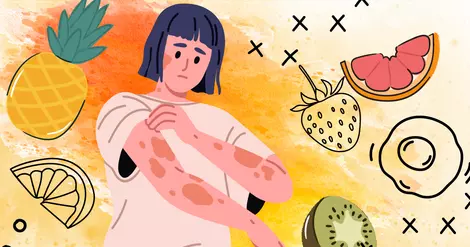
What Does a Food Allergy Rash Look Like? Pictures and Treatments
... If you have an allergy to nickel or latex, for example, you might develop allergic contact dermatitis if your skin comes in contact with that allergen. (CC BY-NC-ND 4.0/DermNet) Several medications also list skin rashes as a possible side effect. Antibiotics, diuretics (water pills), or other drugs may also produce discolored skin spots or bumps. ...








 Join
Join